Check the source
Prefer links with clear notes, product context, and a recent community trail.
Community shared links
Browse community-style mulebuy links, compare product categories, and open the right spreadsheet path before choosing an agent route.
Shared link context
mulebuy links work best when each shared URL is paired with notes, category context, and an agent path that you can review independently.
Browse Categories
Use these category cards to browse product groups, compare finds, and open the right shopping path.
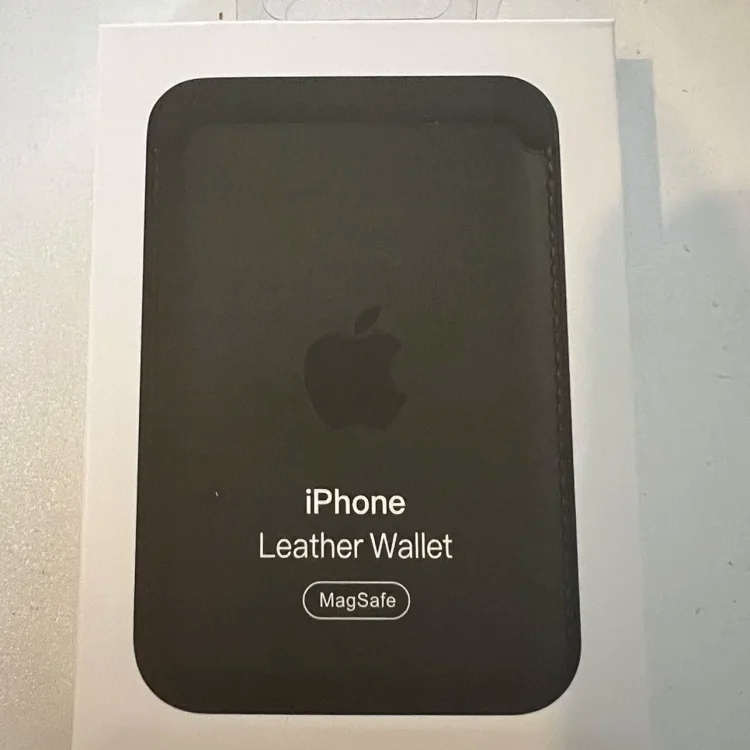 electronicShared electronics link examples for mulebuy links research
02
electronicShared electronics link examples for mulebuy links research
02
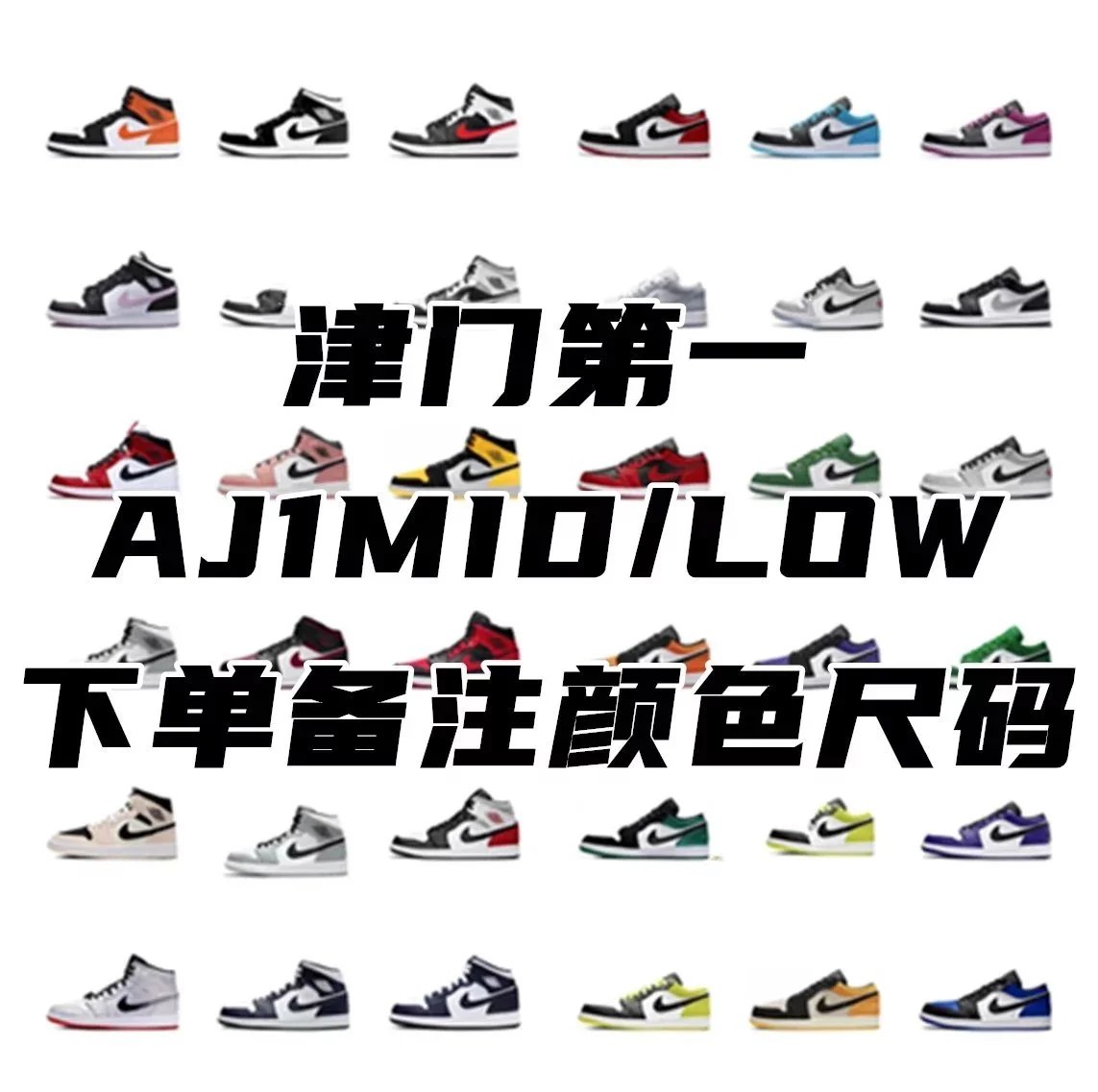 sneakerSneaker paths commonly checked through shared mulebuy product links
03
sneakerSneaker paths commonly checked through shared mulebuy product links
03
 designer shoesDesigner shoe link examples for community browsing
04
designer shoesDesigner shoe link examples for community browsing
04
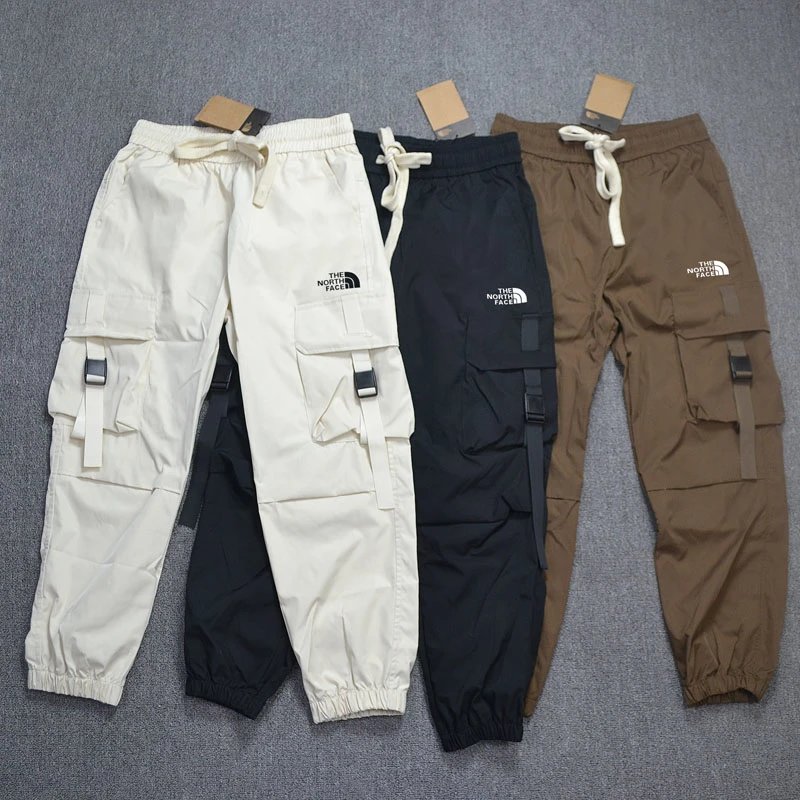 short/pantsPants and shorts categories used in shared link lists
05
short/pantsPants and shorts categories used in shared link lists
05
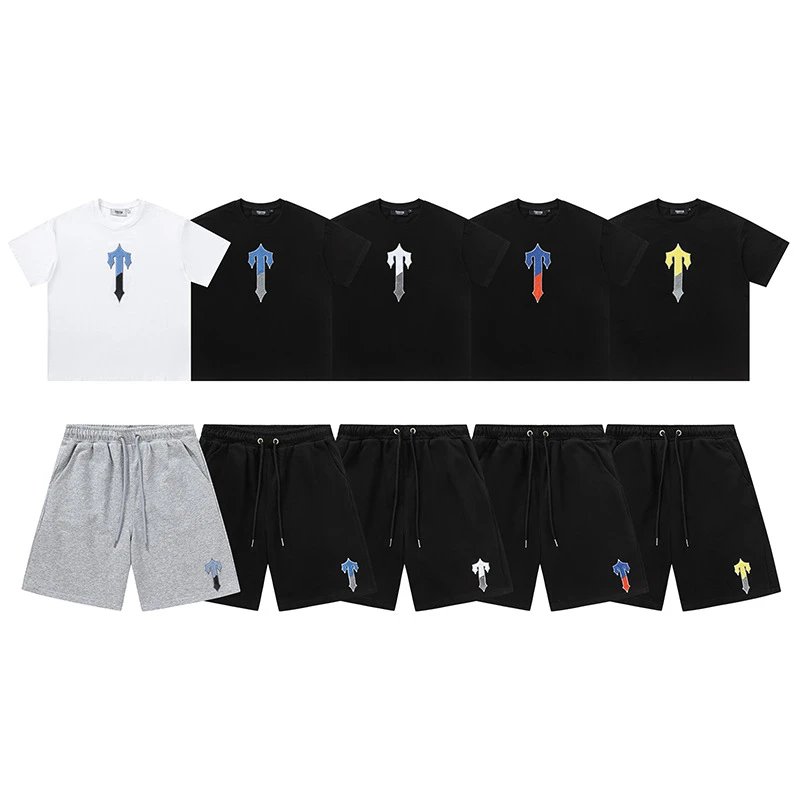 t shirtT shirt categories for quick mulebuy shared links sorting
06
t shirtT shirt categories for quick mulebuy shared links sorting
06
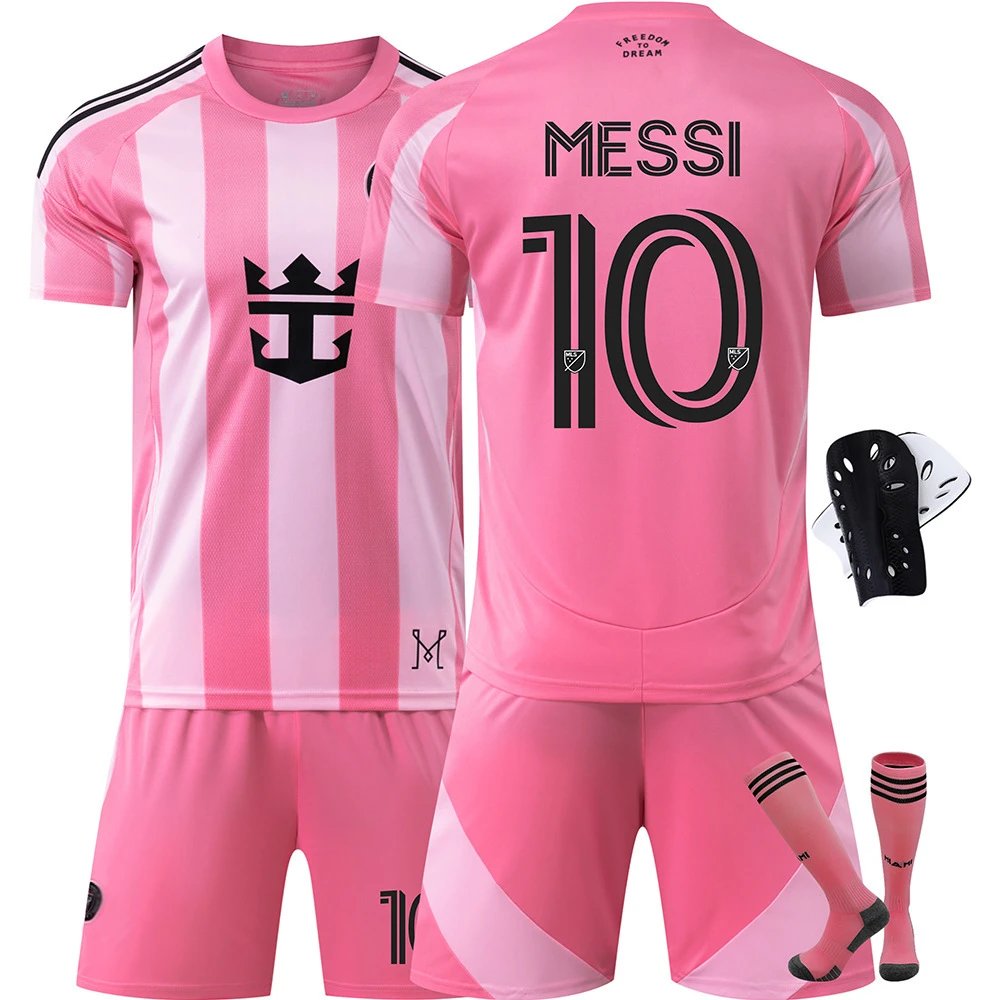 sportSport product paths for community link comparison
07
sportSport product paths for community link comparison
07
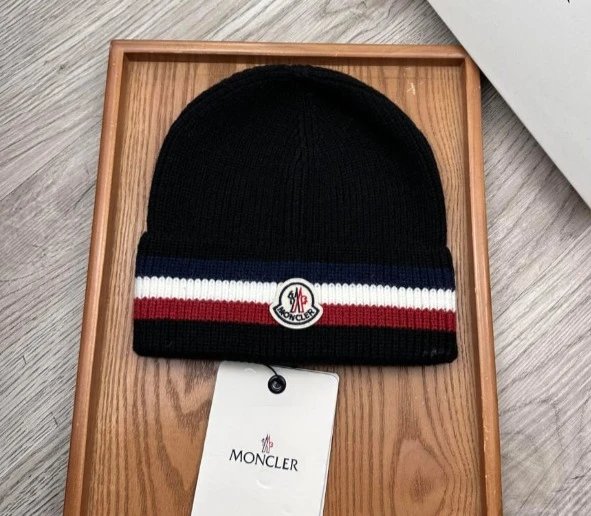 cap/hatCap and hat links for organized shopping routes
08
cap/hatCap and hat links for organized shopping routes
08
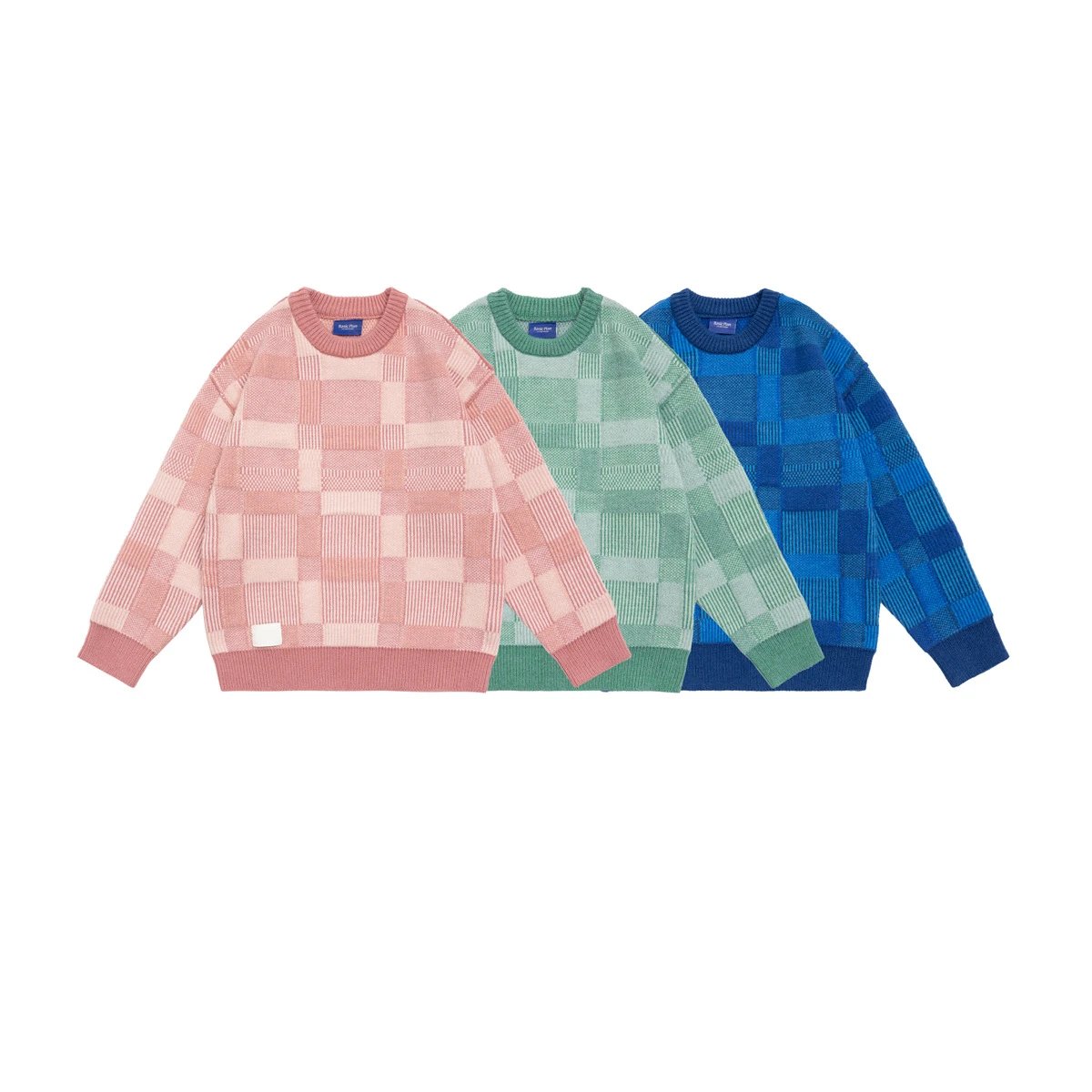 underwearUnderwear product group links for careful review
09
underwearUnderwear product group links for careful review
09
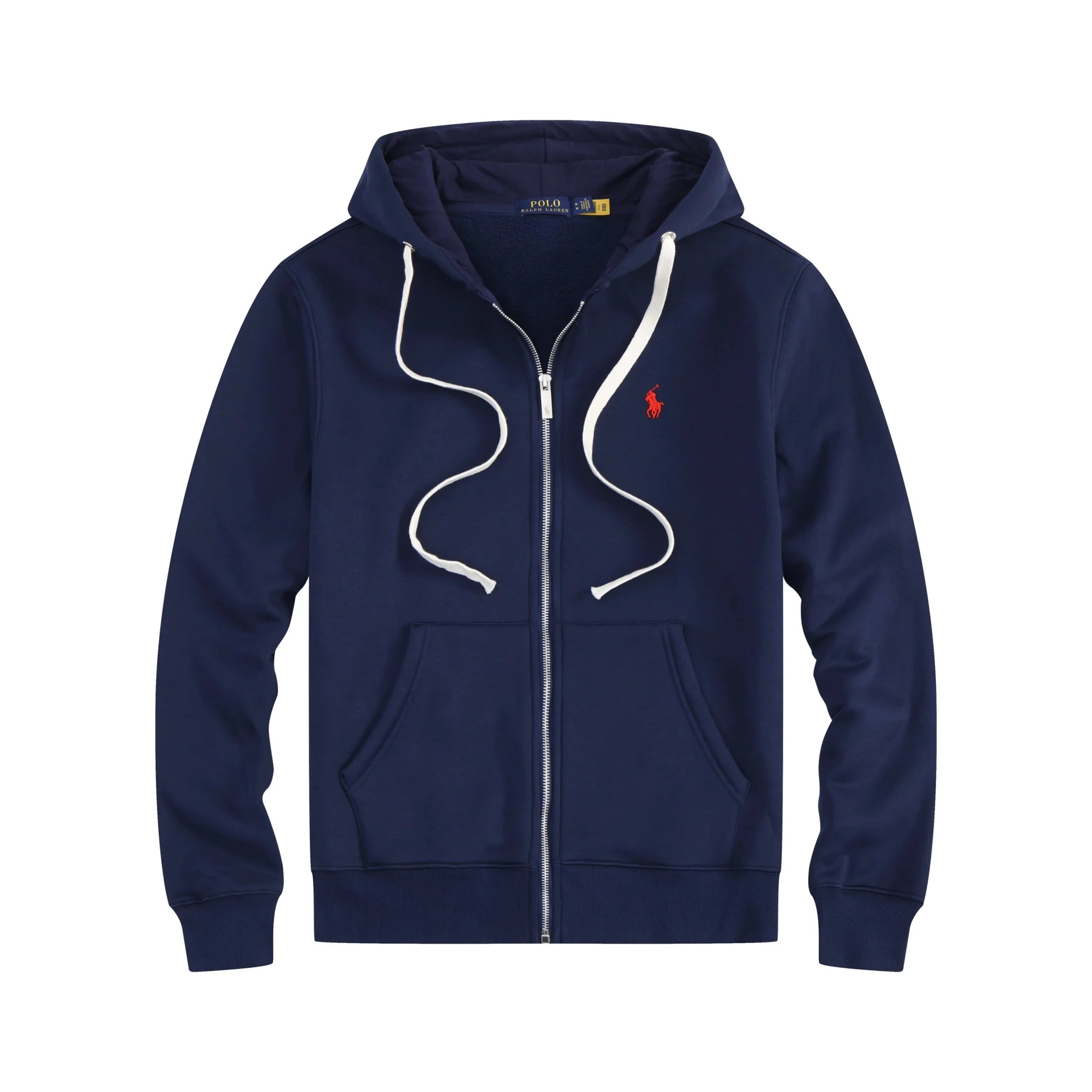 hoodiesHoodie link examples for shared mulebuy browsing
10
hoodiesHoodie link examples for shared mulebuy browsing
10
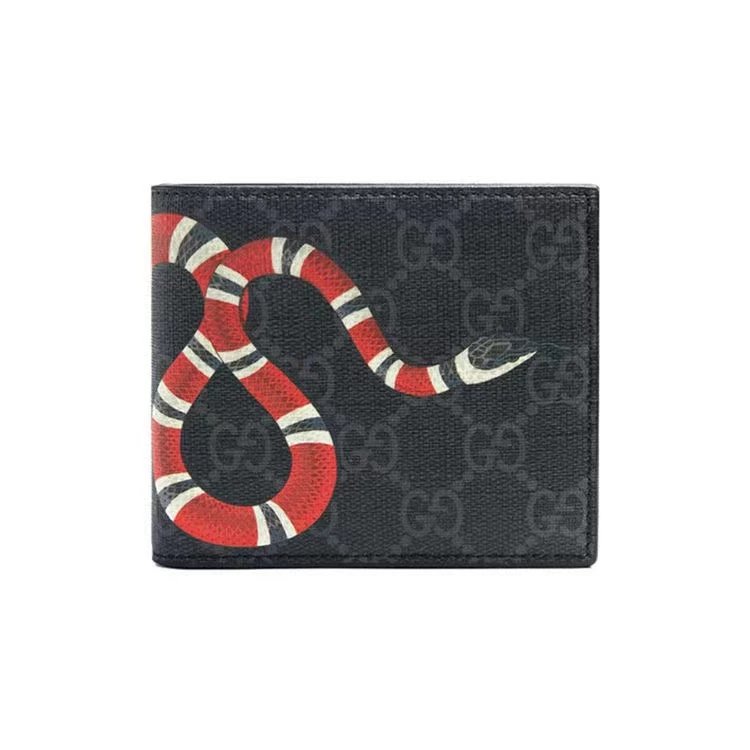 accessoryAccessory links gathered for category comparison
11
accessoryAccessory links gathered for category comparison
11
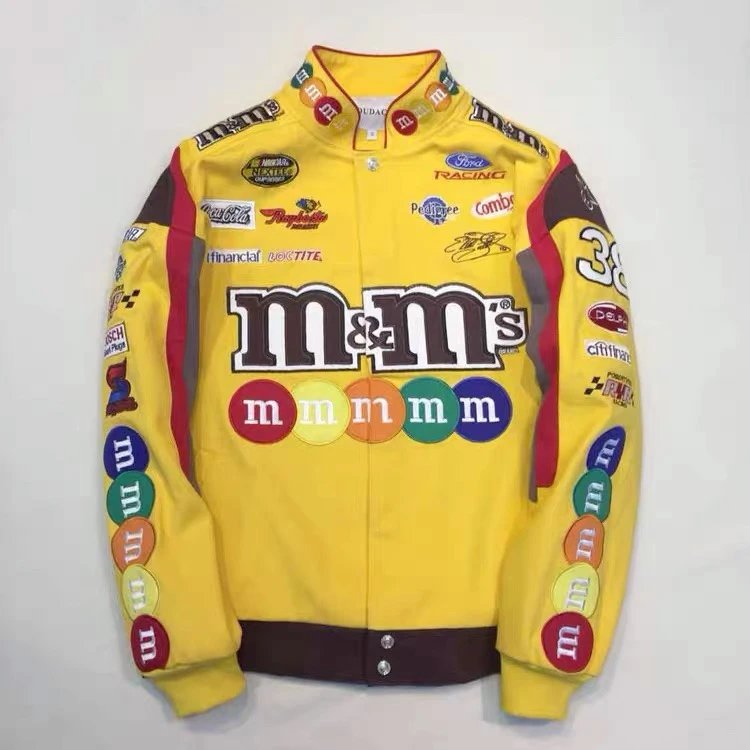 jacketJacket category links for product route planning
12
jacketJacket category links for product route planning
12
 sweaterSweater shared links for seasonal browsing
13
sweaterSweater shared links for seasonal browsing
13
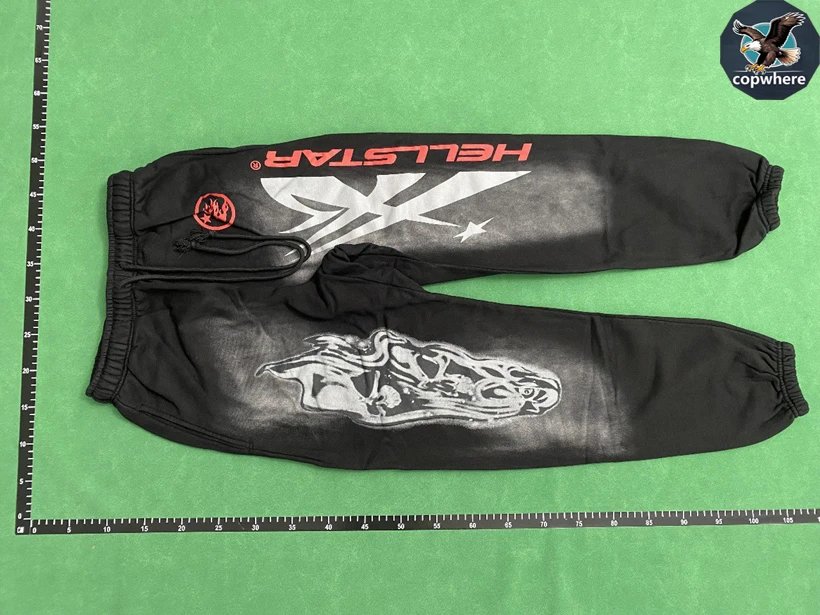 tracksuitsTracksuit product links for community examples
14
tracksuitsTracksuit product links for community examples
14
 bagsBag link examples for organized shared shopping paths
15
bagsBag link examples for organized shared shopping paths
15
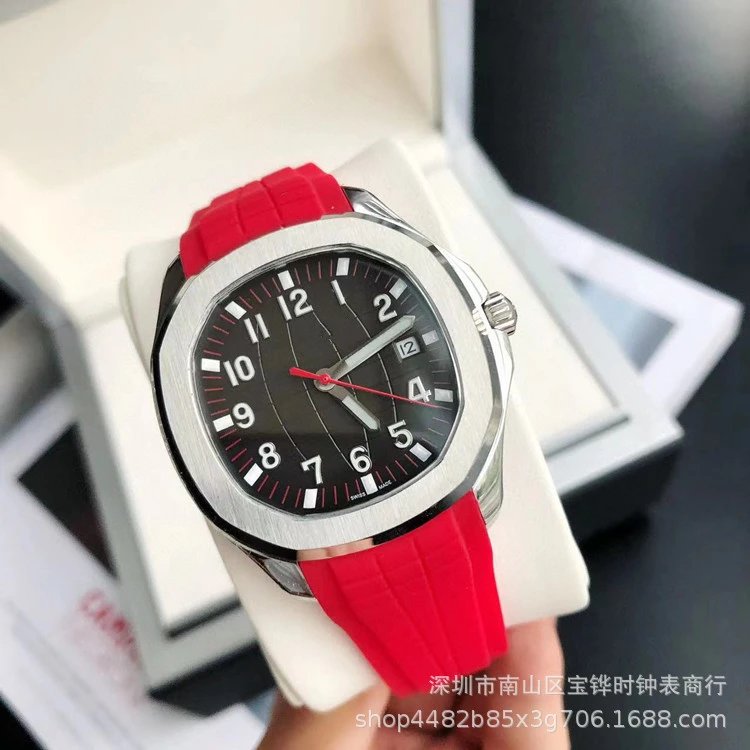 watchWatch category links for review before agent routing
Shopping Agents
Start with a product category, then open the matching agent route to continue with mulebuy links.
 Agent 01SuperbuyOpen this route after reviewing the shared mulebuy links context.Register
 Agent 02SugargooOpen this route after reviewing the shared mulebuy links context.Register
 Agent 03CSSbuyOpen this route after reviewing the shared mulebuy links context.Register
 Agent 04LoongbuyOpen this route after reviewing the shared mulebuy links context.Register
 Agent 05AcBuyOpen this route after reviewing the shared mulebuy links context.Register
 Agent 06LovegobuyOpen this route after reviewing the shared mulebuy links context.Register
 Agent 07KakobuyOpen this route after reviewing the shared mulebuy links context.Register
 Agent 08OopbuyOpen this route after reviewing the shared mulebuy links context.Register
 Agent 09OrientdigOpen this route after reviewing the shared mulebuy links context.Register
 Agent 10UsfansOpen this route after reviewing the shared mulebuy links context.Register
 Agent 11JoyagooOpen this route after reviewing the shared mulebuy links context.Register
 Agent 12LitbuyOpen this route after reviewing the shared mulebuy links context.Register
 Agent 13MulebuyOpen this route after reviewing the shared mulebuy links context.Register
 Agent 14HipobuyOpen this route after reviewing the shared mulebuy links context.Register
 Agent 15AllchinabuyOpen this route after reviewing the shared mulebuy links context.Register
Guide
Read the URL source, review product context, compare category notes, choose an agent route, and keep your own notes before taking action.
Prefer links with clear notes, product context, and a recent community trail.
Use category cards as examples, then compare details before opening an agent route.
Record what changed, which agent path you opened, and whether the link still matches your intent.
Blog
Short article paths explain shared links, club-style organization, spreadsheet sharing, and common mistakes.
A practical guide to reading shared mulebuy links, checking context, and choosing the next route without treating community posts as guarantees.
Use this checklist to sort mulebuy community links by source, category, notes, and next steps before you compare agents.
A club-style guide for organizing mulebuy links into categories, useful notes, and agent choices.
Learn how to share mulebuy product links with enough context for others to compare categories and routes responsibly.
How spreadsheet-style organization can make mulebuy shared links easier to scan, compare, and revisit.
A risk-aware checklist for opening shared mulebuy links, reviewing details, and avoiding common assumptions.
Avoid the most common mistakes people make when reading mulebuy shared links, category examples, and agent routes.
FAQ
No. This is a community-oriented link guide and does not claim official authorization, authentication, or purchase guarantees.
Check the source context, category, product notes, agent route, and whether the link still matches your own research intent.
Categories help narrow the product group first. Agents are routes to continue only after the link context looks relevant.